The Science of the Sip
Our approach combines ergonomic design principles with aesthetic precision. Each coffee station is crafted to optimize workflow while creating an inviting atmosphere for both preparation and enjoyment.
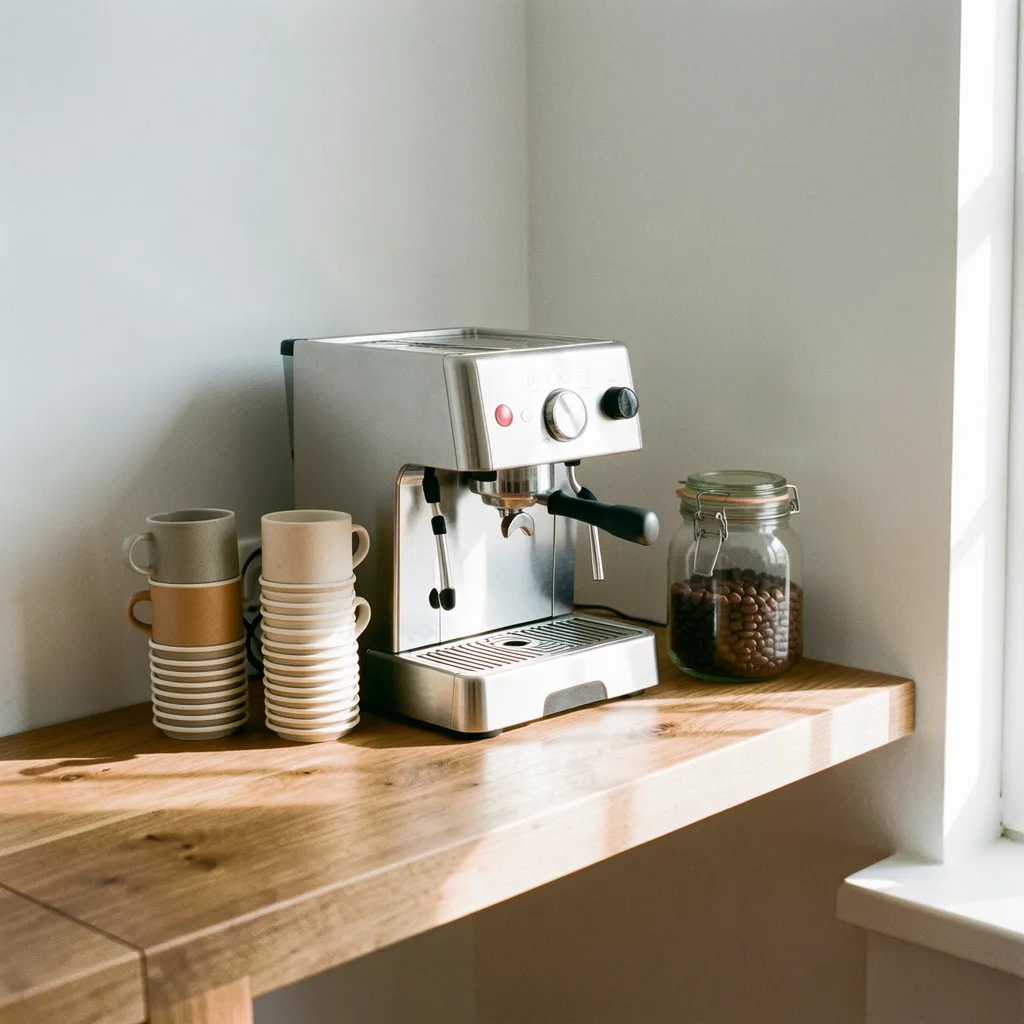
Ergonomic Workflow
Every element positioned for efficiency. The Barista Triangle concept ensures water source, grinding station, and extraction point form an optimal workflow pattern.
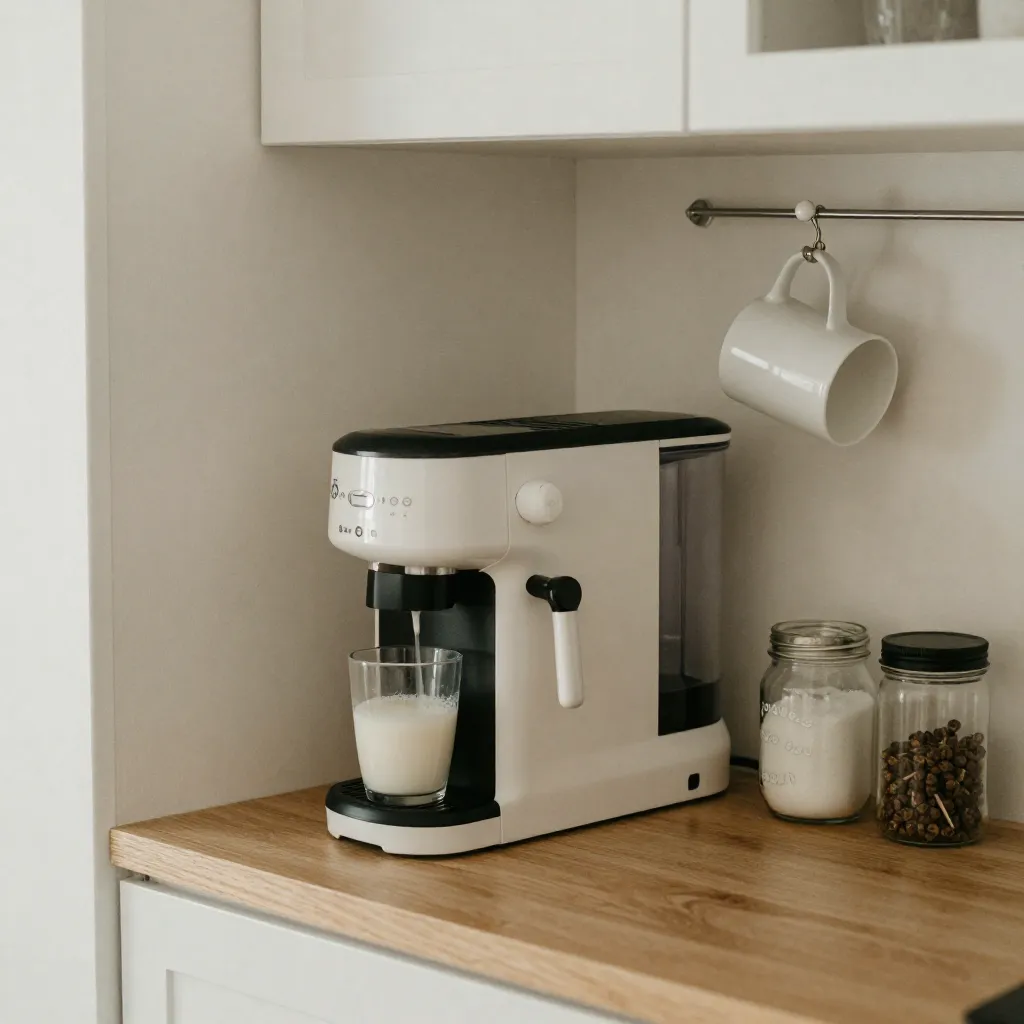
Visual Harmony
Design that balances function with form. Integrated lighting, sound considerations, and spatial organization create an environment that enhances the coffee experience.
Design Philosophy
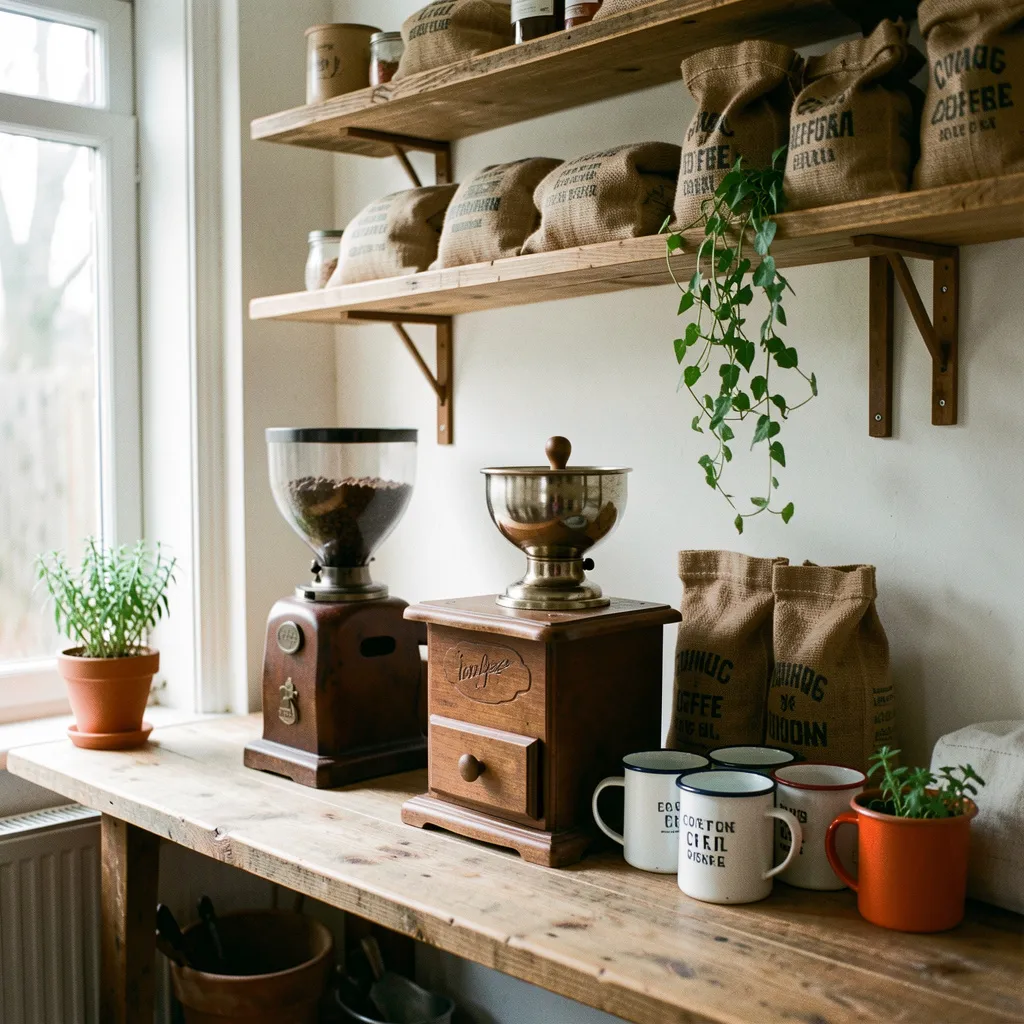
Material Selection
Choosing surfaces and finishes that complement both modern and traditional aesthetics. From industrial chrome to minimalist matte, each selection serves a purpose.
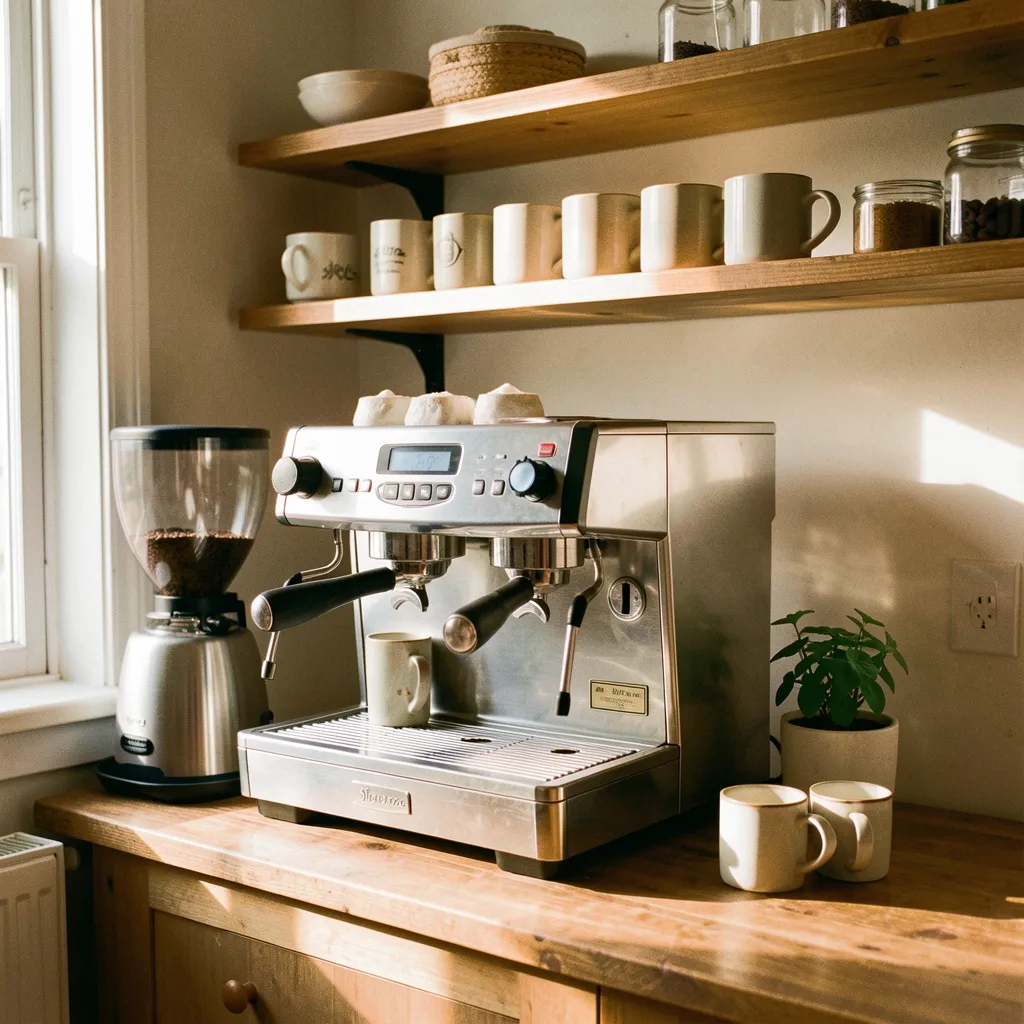
Spatial Planning
Understanding how space flows during coffee preparation. Our designs account for movement, storage needs, and the natural rhythm of brewing.
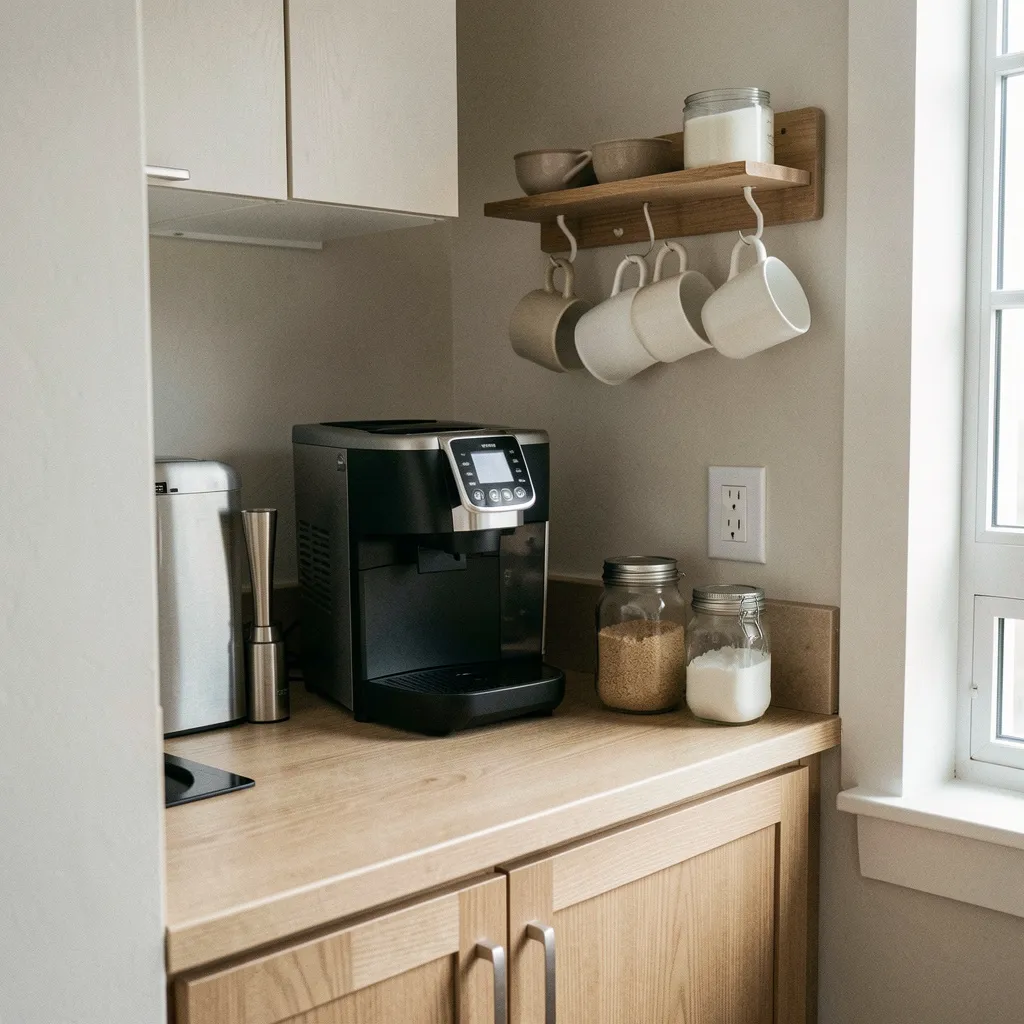
Atmospheric Elements
Beyond equipment placement, we consider ambient factors: lighting quality, sound dampening, and temperature control for optimal coffee storage.
Workflow Optimization
The Barista Triangle is a fundamental concept in professional coffee station design. By positioning three key elements—water source, grinding station, and extraction point—we create an efficient workflow that reduces movement and enhances precision.
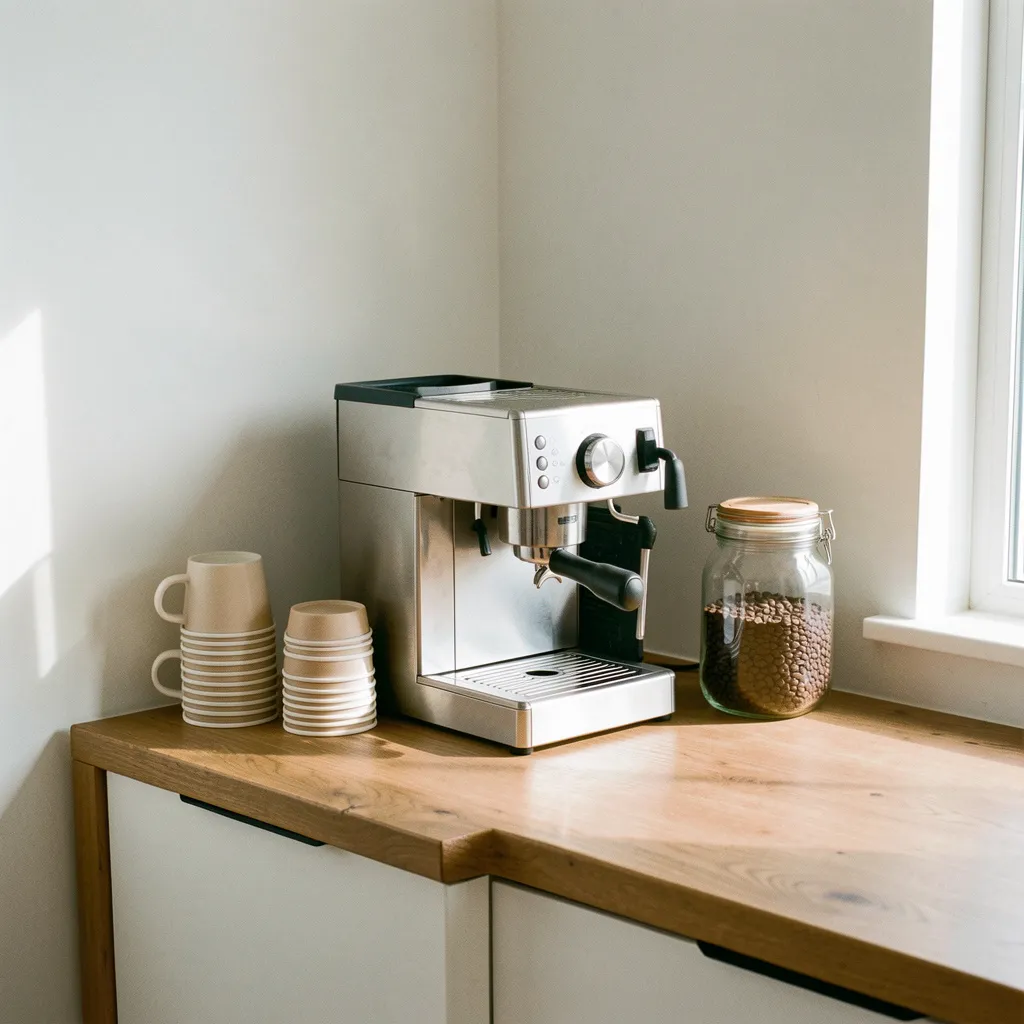
Water Source Placement
Strategic positioning of water access points ensures smooth transitions between grinding and extraction phases. Proximity matters in maintaining workflow rhythm.
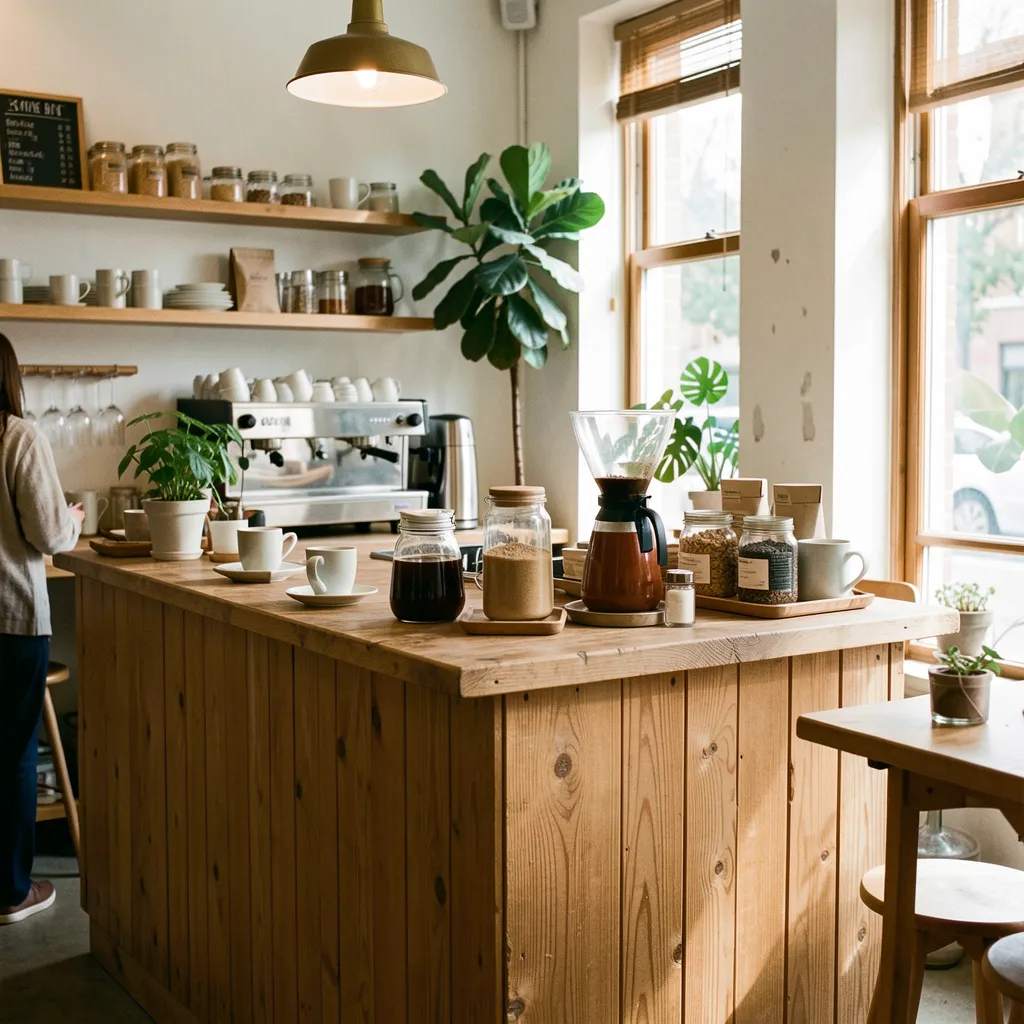
Grinding Station Design
Dedicated spaces for grinders that minimize mess and maximize efficiency. Built-in catch trays, storage for different bean varieties, and easy access to tools.
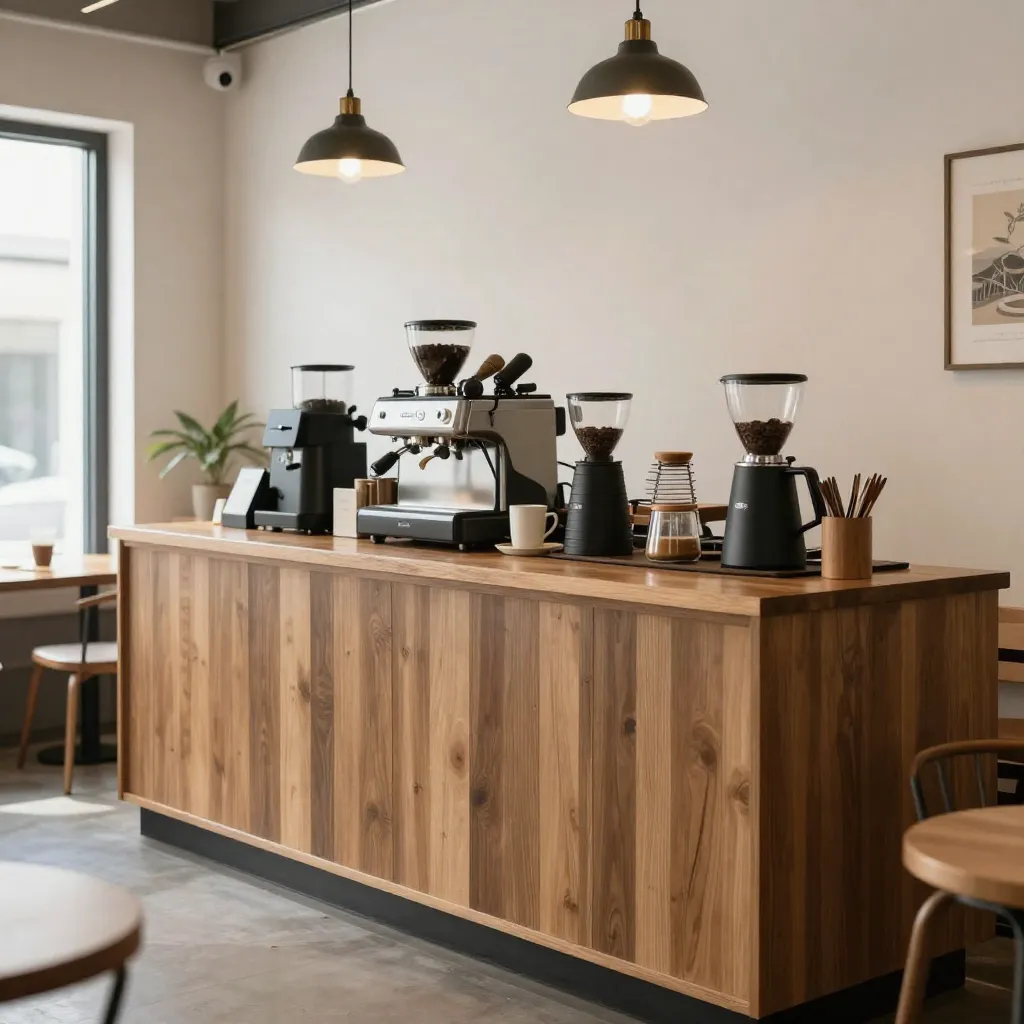
Equipment Integration
Selecting and positioning equipment requires understanding both technical specifications and aesthetic preferences. We guide clients through choices that align with their brewing style and space constraints.
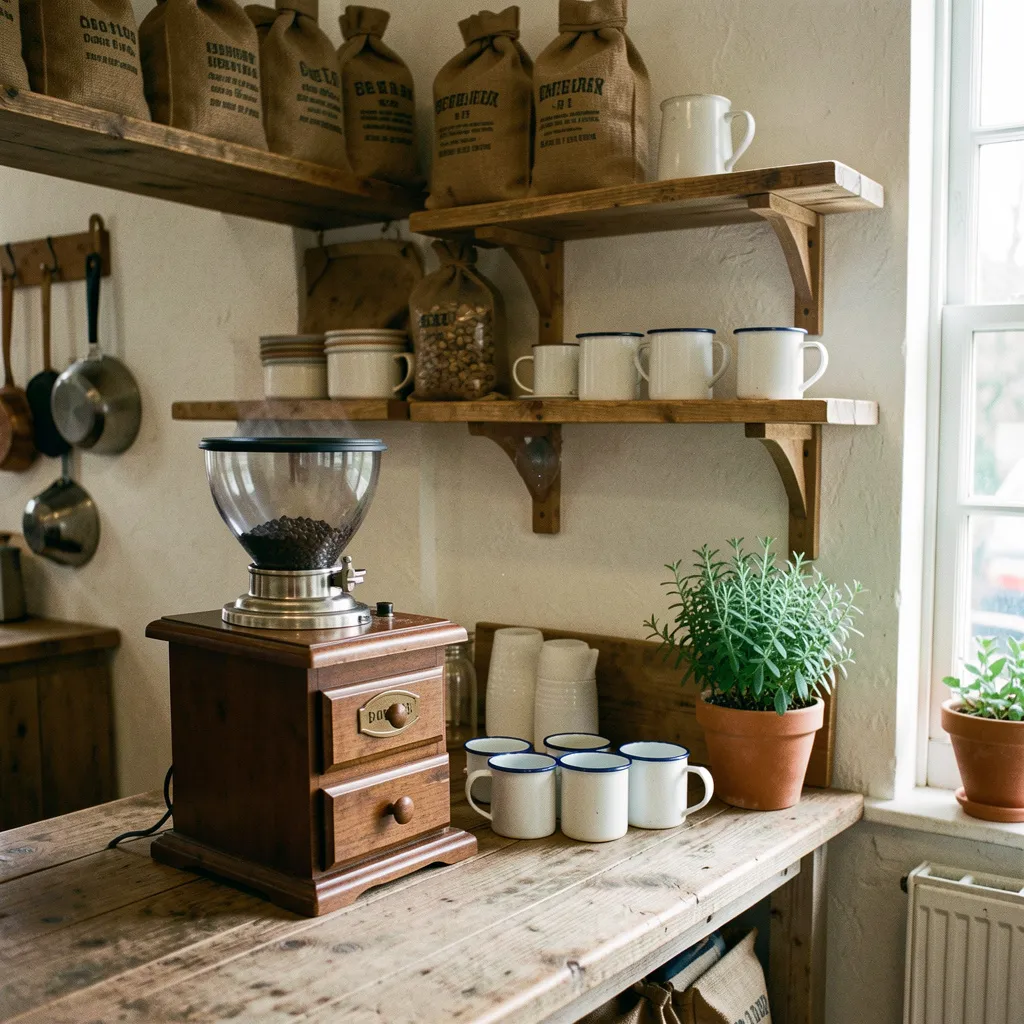
Lever Press Systems
Manual lever machines offer tactile control and visual appeal. Their design requirements differ from automatic systems, influencing overall station layout.
Automatic Machines
Fully automatic systems require different spatial considerations. Water line access, drainage, and ventilation become primary design factors.
Grinder Selection
From manual hand grinders to commercial-grade burr systems, each option impacts counter space, workflow, and aesthetic direction.
Accessory Organization
Tamper storage, portafilter stands, cup warming drawers, and tool organization systems complete the functional design.
Sensory Environment
The environment around coffee preparation influences the entire experience. Integrated lighting, sound considerations, and ambient temperature control contribute to both practical function and emotional connection with the space.
Lighting Design
Task lighting for precision work, ambient lighting for atmosphere, and accent lighting to highlight equipment. Each layer serves a specific purpose in the coffee station ecosystem.
Sound Management
Grinder noise can be disruptive in home environments. Strategic placement, sound-dampening materials, and equipment selection help create a quieter preparation experience.
Getting Started
Whether you're planning a new coffee station or optimizing an existing setup, understanding your space, workflow preferences, and aesthetic goals is the first step.